Skip to content

Description

Frequently asked questions about our Sweet Cream Buttermilk Powder

Z Natural Foods is dedicated to providing our customers with a diverse range of high-quality foods in their most versatile forms. Our smooth and Sweet Cream Buttermilk Powder exemplifies our commitment to quality. 

This undervalued ingredient is the secret of many chefs and bakers worldwide in creating some of the most delectable culinary treats. 

Today, we aim to answer some of the most frequently asked questions about this versatile product and sweet cream buttermilk in general, so you have all the information you need to make an informed purchase decision.

1) What exactly is sweet cream buttermilk?

In simple terms, sweet cream buttermilk is a high-protein, phospholipid-rich (like lecithin) liquid byproduct of churning pasteurized, non-cultured (sweet) cream into butter. It is most commonly used in baked goods to provide moisture, structure, and richness.

Sweet cream buttermilk often adds a clean, mildly tangy, non-acidic flavor and creaminess similar to skim milk. 

The specific purpose of agitating the heavy cream is to destabilize the fat globule membranes, allowing the fat molecules to break out of suspension in the liquid and stick together. This process forces the fat particles to collide, break apart, and then re-bond into solid butterfat clumps; the opposite of homogenization, aiming to break the suspension to separate the butterfat from the whey/water (liquid buttermilk). 

The reason heavy whipping cream works best is that it contains around 40% fat. 

2) Why use sweet cream buttermilk powder instead of fresh buttermilk?

The idea that we can’t replace fresh food with a powder to recreate culinary excellence is simply untrue. There are many significant advantages to using powders, especially dairy foods like sweet cream buttermilk. While there are many natural ways to dry foods and preserve their nutritional qualities, including low temperature, shade, air, sun, and dehydrating, the quality of the raw materials predominantly determines the final product. 

Ultimately, the most effective way to preserve the incredible qualities found in sweet cream buttermilk is through dehydration. 

Fresh dairy products have a short shelf life, and their need to be refrigerated limits their versatility. As we have mentioned in many of our previous articles and product descriptions, powdered functional superfoods are tremendously versatile, capable of creating new and exciting products and offering unique advantages over their fresh counterparts. Some of those advantages include: 

  • Longer shelf life: The average shelf life of fresh sweet cream buttermilk is around 2 weeks when kept refrigerated. However, when kept sealed and away from direct sunlight, a spray-dried powder version will last for over two years. 
  • A more versatile product: Powdered superfoods bring a level of unmatched versatility compared to their fresh counterparts. They provide instant, mess-free nutritional boosts, without washing, peeling, or chopping, enabling easy incorporation into smoothies, liquids, baking, or soups without negatively altering food volume or texture. 
  • More cost-efficient: In simple terms, a little bit goes a long way because ultimately, you have a more concentrated product.
  • Less food waste: Because of the three above reasons, powdered superfoods by default create less food waste.  

3) How exactly is sweet cream buttermilk powder made?

As stated in the previous question, while there are many natural ways to dry foods and preserve their nutritional qualities, the quality of the raw materials predominantly determines the final product. However, it is vital to understand one of the most important processes that ultimately determines the quality of powdered food: drying. 

It is no secret that air and moisture are powdered food’s greatest enemies. Thanks to our meticulous food-preservation techniques, we can create a powdered food product without adding preservatives or chemicals, resulting in a more versatile end product that is almost as nutrient-dense as the fresh version. 

Therefore, you can trust that our Sweet cream buttermilk powder is of the highest quality and preserves the natural, clean flavor and consistency of the fresh stuff. 

Our Sweet cream buttermilk powder averages less than 4% moisture, 33% protein, and 6% fat, which allows for easier storage and blending and supports the natural flavor profile. The reason sweet cream buttermilk has a higher fat content than the fresh version is that it has been dehydrated and concentrated. The fresh version contains 1% fat. 

Ultimately, creating the creamiest, richest, and most versatile sweet cream buttermilk powder is best achieved through spray-drying. This method is a testament to efficiency and practicality. Spray drying is the primary method for producing sweet cream buttermilk powder because it combines two key factors to yield a stable, fine, rehydratable powder with a sweet, creamy flavor profile, all in a single step.  

  • High efficiency dehydration
  • The ability to handle the heat-sensitive components of sweet cream buttermilk.

Finally, spray-drying also provides two unique qualities. First, it removes moisture quickly. This is important because it prevents prolonged exposure to high heat, which can degrade or scorch dairy products. Second, spray-drying microencapsulates the flavor compounds that create the signature flavor profile.

4) What exactly is sweet cream buttermilk powder used for?

As one of the most underrated ingredients in the world of baking, sweet cream buttermilk powder is one of several keys to a moist, tender baked good. Because of its ability to create moisture, it extends the shelf life of baked goods. In fact, its fermented counterpart, due to its acidic properties, breaks down gluten. 

Sweet cream buttermilk also adds tang to ranch dressing, works well as a savory topping for snacks, and can be added to sour cream to make a delicious dip. 

Finally, it can’t be beat as a thickener for sauces and soups.    

5) Is Sweet Cream Buttermilk a quality source of Protein?

A high concentration of dairy proteins characterizes sweet cream buttermilk’s protein profile. Dairy foods have always been considered a great source of protein, primarily because they contain two of the most bioavailable forms, Casein and Whey, with around a total of 35% crude protein. 

Like many dairy foods, the breakdown is 80% casein and 20% whey serum protein (raw, unrefined liquid), which includes soluble proteins such as lactoglobulin and lactalbumin. Furthermore, buttermilk has a unique characteristic due to proteins derived from the milk fat globule membrane, which is rich in polar lipids called phospholipids, leading to superior emulsifying properties. Finally, when comparing the functionality between the protein from sweet cream buttermilk and a fermented version, it comes down to protein solubility and viscosity. The pH difference in the product drives these differences. 

  • Sweet cream is pH-neutral, containing soluble casein and whey with a higher protein solubility due to its low acidity. 
  • Cultured buttermilk’s higher acid content causes casein to become insoluble. 

6) What are phospholipids and their relationship to sweet cream buttermilk?

As mentioned in the previous question, buttermilk has a unique characteristic due to proteins derived from the milk fat globule membrane, which is rich in polar lipids called phospholipids, leading to superior emulsifying properties. In simple terms, phospholipids are vital lipid molecules that form the structural basis of cell membranes. They have a dual affinity for water and fat, maintaining cell membrane integrity, fluidity, and flexibility, while regulating the passage of substances into and out of the cell.

The phospholipids in sweet cream buttermilk are concentrated fatty acids broken down into five major groups. However, the following three make up the largest portion of the phospholipid profile.  

  • Phosphatidylcholine makes up around 35%-50% of its phospholipid profile, making it the most abundant.  
  • Sphingomyelin is considered highly bioactive, featuring long-chain saturated fatty acids and accounting for around 20-27% of the phospholipid profile. Its saturated fatty acid profile is what makes it the backbone of the phospholipid profile. Furthermore, they are rich in sphingolipids that play a key role in the myelination of the nervous system. 
  • Phosphatidylethanolamine is the third most abundant phospholipid in buttermilk, accounting for around 8% to 33% of its lipid profile. Its primary functions are emulsification, supporting texture and viscosity, and are linked to bioactive functions like brain development. 

In conclusion, sweet cream buttermilk is considered one of America’s greatest undervalued ingredients for its versatility, limitless applications, and outstanding protein profile. 

Whether creating something new and exciting or sticking to the classics, the nutritional profile of Sweet cream buttermilk powder can make everything a bit more nourishing.  

For more information about our Sweet Cream Buttermilk Powder, go here: Sweet Cream Buttermilk Powder

The Author’s Bio
Michael Stuchiner is a Master Herbalist and proud graduate of The School of Natural Healing, and has worked in different areas of this field for over 25 years. He is a retired elite-level powerlifter who competed for 27 years. As an avid international traveler, he is passionate about using medicinal and tonic herbs, as well as foods traditionally found in local markets, in the 35 countries he has visited. Michael brings you his years of experience as a Master Herbalist, traveler, and athlete through the hundreds of articles he has written and his YouTube channel (A Master Herbalist Perspective). He is considered a true educator in this field. For more articles written by Mike, go here: Master Herbalist.

Description

Frequently asked questions about our Sweet Cream Buttermilk Powder

Z Natural Foods is dedicated to providing our customers with a diverse range of high-quality foods in their most versatile forms. Our smooth and Sweet Cream Buttermilk Powder exemplifies our commitment to quality. 

This undervalued ingredient is the secret of many chefs and bakers worldwide in creating some of the most delectable culinary treats. 

Today, we aim to answer some of the most frequently asked questions about this versatile product and sweet cream buttermilk in general, so you have all the information you need to make an informed purchase decision.

1) What exactly is sweet cream buttermilk?

In simple terms, sweet cream buttermilk is a high-protein, phospholipid-rich (like lecithin) liquid byproduct of churning pasteurized, non-cultured (sweet) cream into butter. It is most commonly used in baked goods to provide moisture, structure, and richness.

Sweet cream buttermilk often adds a clean, mildly tangy, non-acidic flavor and creaminess similar to skim milk. 

The specific purpose of agitating the heavy cream is to destabilize the fat globule membranes, allowing the fat molecules to break out of suspension in the liquid and stick together. This process forces the fat particles to collide, break apart, and then re-bond into solid butterfat clumps; the opposite of homogenization, aiming to break the suspension to separate the butterfat from the whey/water (liquid buttermilk). 

The reason heavy whipping cream works best is that it contains around 40% fat. 

2) Why use sweet cream buttermilk powder instead of fresh buttermilk?

The idea that we can’t replace fresh food with a powder to recreate culinary excellence is simply untrue. There are many significant advantages to using powders, especially dairy foods like sweet cream buttermilk. While there are many natural ways to dry foods and preserve their nutritional qualities, including low temperature, shade, air, sun, and dehydrating, the quality of the raw materials predominantly determines the final product. 

Ultimately, the most effective way to preserve the incredible qualities found in sweet cream buttermilk is through dehydration. 

Fresh dairy products have a short shelf life, and their need to be refrigerated limits their versatility. As we have mentioned in many of our previous articles and product descriptions, powdered functional superfoods are tremendously versatile, capable of creating new and exciting products and offering unique advantages over their fresh counterparts. Some of those advantages include: 

  • Longer shelf life: The average shelf life of fresh sweet cream buttermilk is around 2 weeks when kept refrigerated. However, when kept sealed and away from direct sunlight, a spray-dried powder version will last for over two years. 
  • A more versatile product: Powdered superfoods bring a level of unmatched versatility compared to their fresh counterparts. They provide instant, mess-free nutritional boosts, without washing, peeling, or chopping, enabling easy incorporation into smoothies, liquids, baking, or soups without negatively altering food volume or texture. 
  • More cost-efficient: In simple terms, a little bit goes a long way because ultimately, you have a more concentrated product.
  • Less food waste: Because of the three above reasons, powdered superfoods by default create less food waste.  

3) How exactly is sweet cream buttermilk powder made?

As stated in the previous question, while there are many natural ways to dry foods and preserve their nutritional qualities, the quality of the raw materials predominantly determines the final product. However, it is vital to understand one of the most important processes that ultimately determines the quality of powdered food: drying. 

It is no secret that air and moisture are powdered food’s greatest enemies. Thanks to our meticulous food-preservation techniques, we can create a powdered food product without adding preservatives or chemicals, resulting in a more versatile end product that is almost as nutrient-dense as the fresh version. 

Therefore, you can trust that our Sweet cream buttermilk powder is of the highest quality and preserves the natural, clean flavor and consistency of the fresh stuff. 

Our Sweet cream buttermilk powder averages less than 4% moisture, 33% protein, and 6% fat, which allows for easier storage and blending and supports the natural flavor profile. The reason sweet cream buttermilk has a higher fat content than the fresh version is that it has been dehydrated and concentrated. The fresh version contains 1% fat. 

Ultimately, creating the creamiest, richest, and most versatile sweet cream buttermilk powder is best achieved through spray-drying. This method is a testament to efficiency and practicality. Spray drying is the primary method for producing sweet cream buttermilk powder because it combines two key factors to yield a stable, fine, rehydratable powder with a sweet, creamy flavor profile, all in a single step.  

  • High efficiency dehydration
  • The ability to handle the heat-sensitive components of sweet cream buttermilk.

Finally, spray-drying also provides two unique qualities. First, it removes moisture quickly. This is important because it prevents prolonged exposure to high heat, which can degrade or scorch dairy products. Second, spray-drying microencapsulates the flavor compounds that create the signature flavor profile.

4) What exactly is sweet cream buttermilk powder used for?

As one of the most underrated ingredients in the world of baking, sweet cream buttermilk powder is one of several keys to a moist, tender baked good. Because of its ability to create moisture, it extends the shelf life of baked goods. In fact, its fermented counterpart, due to its acidic properties, breaks down gluten. 

Sweet cream buttermilk also adds tang to ranch dressing, works well as a savory topping for snacks, and can be added to sour cream to make a delicious dip. 

Finally, it can’t be beat as a thickener for sauces and soups.    

5) Is Sweet Cream Buttermilk a quality source of Protein?

A high concentration of dairy proteins characterizes sweet cream buttermilk’s protein profile. Dairy foods have always been considered a great source of protein, primarily because they contain two of the most bioavailable forms, Casein and Whey, with around a total of 35% crude protein. 

Like many dairy foods, the breakdown is 80% casein and 20% whey serum protein (raw, unrefined liquid), which includes soluble proteins such as lactoglobulin and lactalbumin. Furthermore, buttermilk has a unique characteristic due to proteins derived from the milk fat globule membrane, which is rich in polar lipids called phospholipids, leading to superior emulsifying properties. Finally, when comparing the functionality between the protein from sweet cream buttermilk and a fermented version, it comes down to protein solubility and viscosity. The pH difference in the product drives these differences. 

  • Sweet cream is pH-neutral, containing soluble casein and whey with a higher protein solubility due to its low acidity. 
  • Cultured buttermilk’s higher acid content causes casein to become insoluble. 

6) What are phospholipids and their relationship to sweet cream buttermilk?

As mentioned in the previous question, buttermilk has a unique characteristic due to proteins derived from the milk fat globule membrane, which is rich in polar lipids called phospholipids, leading to superior emulsifying properties. In simple terms, phospholipids are vital lipid molecules that form the structural basis of cell membranes. They have a dual affinity for water and fat, maintaining cell membrane integrity, fluidity, and flexibility, while regulating the passage of substances into and out of the cell.

The phospholipids in sweet cream buttermilk are concentrated fatty acids broken down into five major groups. However, the following three make up the largest portion of the phospholipid profile.  

  • Phosphatidylcholine makes up around 35%-50% of its phospholipid profile, making it the most abundant.  
  • Sphingomyelin is considered highly bioactive, featuring long-chain saturated fatty acids and accounting for around 20-27% of the phospholipid profile. Its saturated fatty acid profile is what makes it the backbone of the phospholipid profile. Furthermore, they are rich in sphingolipids that play a key role in the myelination of the nervous system. 
  • Phosphatidylethanolamine is the third most abundant phospholipid in buttermilk, accounting for around 8% to 33% of its lipid profile. Its primary functions are emulsification, supporting texture and viscosity, and are linked to bioactive functions like brain development. 

In conclusion, sweet cream buttermilk is considered one of America’s greatest undervalued ingredients for its versatility, limitless applications, and outstanding protein profile. 

Whether creating something new and exciting or sticking to the classics, the nutritional profile of Sweet cream buttermilk powder can make everything a bit more nourishing.  

For more information about our Sweet Cream Buttermilk Powder, go here: Sweet Cream Buttermilk Powder

The Author’s Bio
Michael Stuchiner is a Master Herbalist and proud graduate of The School of Natural Healing, and has worked in different areas of this field for over 25 years. He is a retired elite-level powerlifter who competed for 27 years. As an avid international traveler, he is passionate about using medicinal and tonic herbs, as well as foods traditionally found in local markets, in the 35 countries he has visited. Michael brings you his years of experience as a Master Herbalist, traveler, and athlete through the hundreds of articles he has written and his YouTube channel (A Master Herbalist Perspective). He is considered a true educator in this field. For more articles written by Mike, go here: Master Herbalist.

RELATED ARTICLES

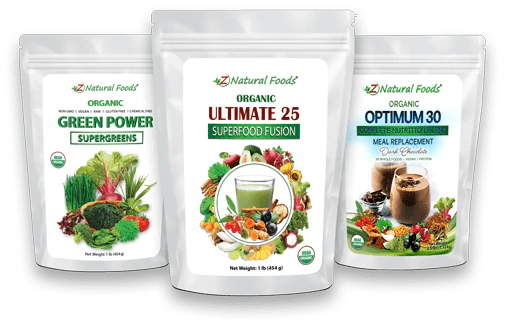
Z Natural foods Organic, 3 product showcase, Green Power Supergreens, Ultimate 25 Superfood Fusion, Optimum 30